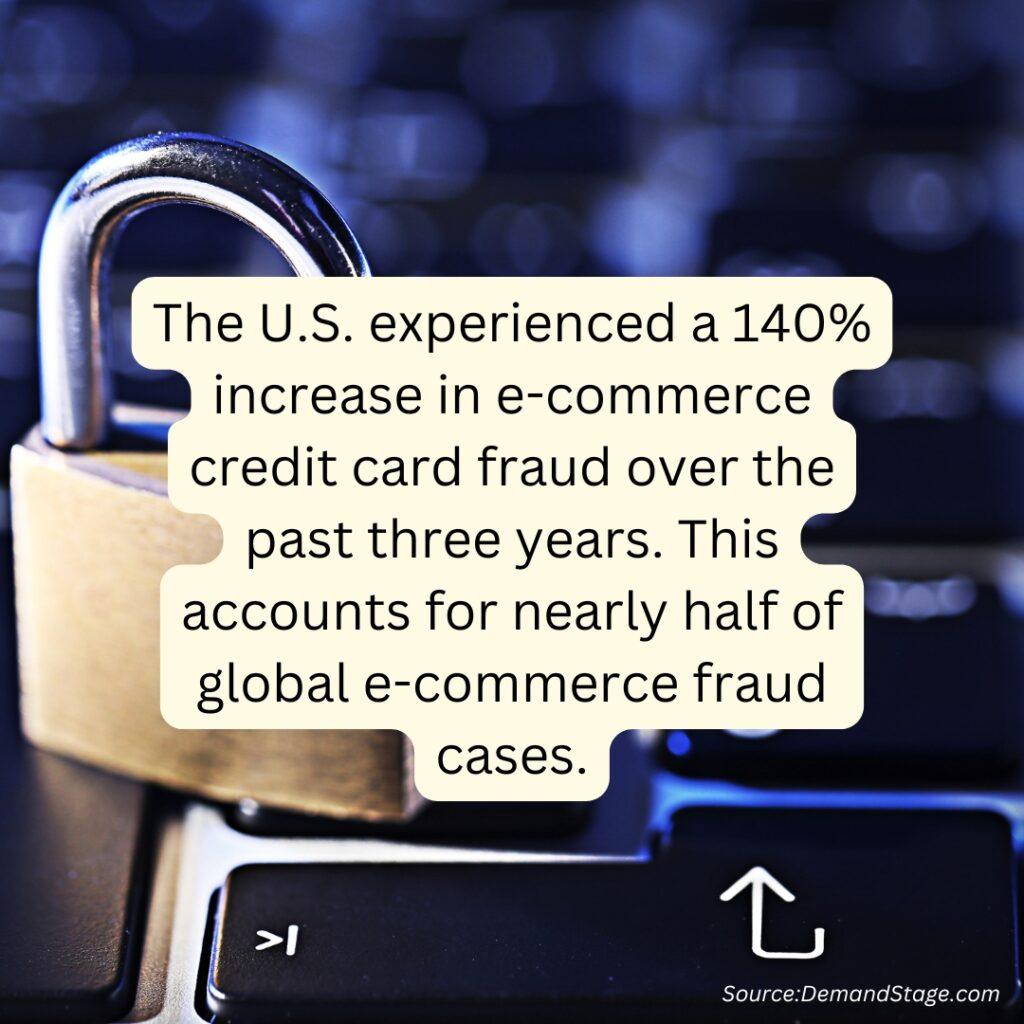
Online holiday shopping can be a convenient way to check off your gift list—but it can also open the door to scams. Protect yourself by following these tips to identify legitimate websites and avoid rip-offs.
5 Ways to Shop Safely Online:
Look for HTTPS
Always check the website URL. A secure site starts with https:// instead of http://. While the “s” indicates the site has a security certificate, it’s not foolproof. Combine this step with others for extra safety.
Verify Contact Information
Check for a real phone number, email, or physical address. Scam sites often provide no way to reach a live person. If you can’t get through or only find generic forms, it’s a red flag.
Watch for Warning Signs on Websites
Poorly designed sites with broken links or blurry images are suspicious. However, be cautious even on professional-looking sites—scammers are becoming more sophisticated. Look for inconsistencies, such as product descriptions that don’t match images.
Use Reviews Wisely
Don’t rely solely on customer reviews on the website—they can be fabricated. Instead:
Keep Devices Updated
Ensure your phone, computer, and browser are running the latest updates. Use antivirus software and avoid public Wi-Fi when shopping online. If you must use public Wi-Fi, connect through a secure VPN.
Our Tip: Stick to Reputable Local Retailers in Cloquet, Moose Lake, and Floodwood areas
Shopping with well-known retailers or local businesses you trust is one of the safest ways to avoid fraud. Be cautious about “too good to be true” deals from unfamiliar sites or pop-up ads. Asking people you know for their opinion is also a good way to learn about business reputation.
By following these steps, you can make your holiday shopping safer and stress-free this holiday season, and into the new year in 2025.
Read: Winter Money Tips: Saving Big in Northern Minnesota
*Membership eligibility required. NCU is Insured by NCUA.